
Old Values Against New Society
A Pale View of HillsThe arguments among Seiji Ogata, Jiro, and Shigeo Matsuda show a postwar society disputing the authority of tradition and the cost of obedience.
increasing Bearing strength in each event
 decreasing
Bearing strength in each eventdecreasingA Changing Country
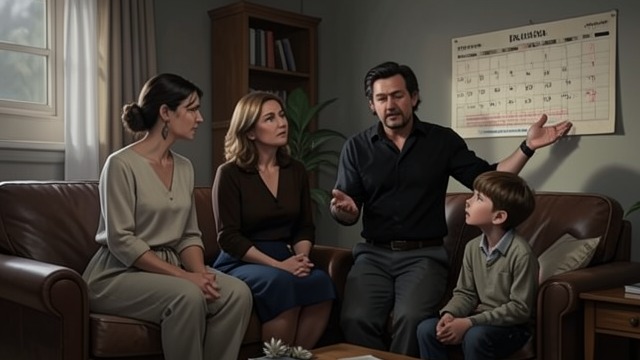
New Social Arrangements
Signs of change
The family discusses women voting differently from their husbands, young couples living apart from parents, and a new educational order. Seiji Ogata sees these changes as evidence that loyalty and discipline are disappearing.
Jiro’s qualification
Jiro agrees that change has costs but says the old system also had faults. His measured replies suggest a generation that has inherited the past without accepting its authority intact.
Democracy Condemned
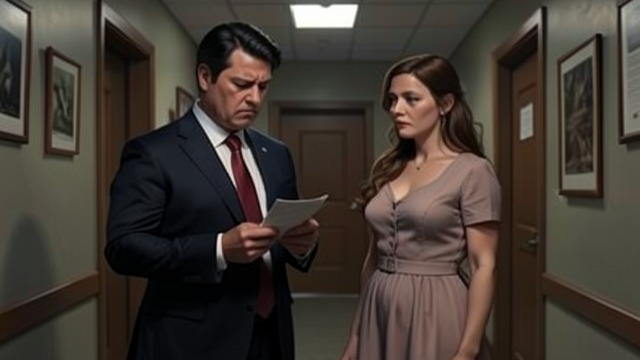
A Father’s Complaint
Loyalty defended
Seiji Ogata argues that American-style democracy has encouraged selfishness and weakened household obligations. He cites a colleague’s wife voting for a different party as proof of a social decline.
A son listens briefly
Jiro agrees politely but does not develop the argument. His silence lets the older man speak, while also making it unclear whether he accepts the judgment.
A Dispute Over Education
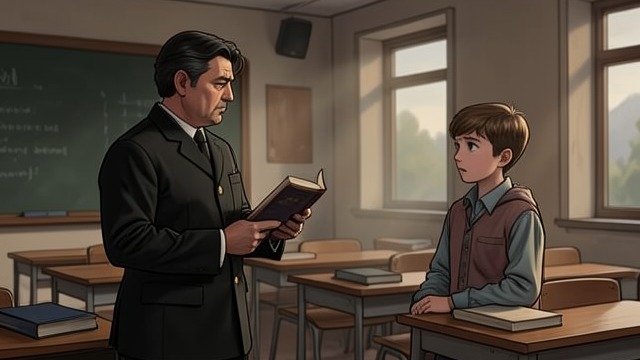
The Old Curriculum
A system defended
Seiji Ogata says the occupation dismantled a cherished school system and that children are no longer taught national history or proper values. He remembers educators as guardians of social cohesion.
A troubling memory
Jiro recalls being taught that Japan was divine and supreme, and questions whether the lost lessons were worth preserving. His response exposes how patriotic education could prepare children not to question.
Matsuda’s Rebuke
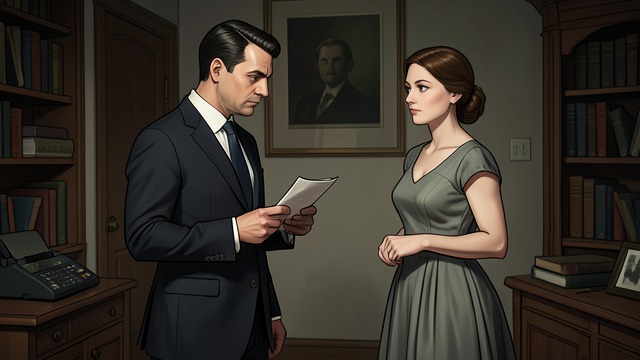
A Pupil’s Judgment
Sincerity acknowledged
Shigeo Matsuda tells Seiji Ogata that he does not doubt the older teacher’s hard work or sincerity. He argues, however, that the education they promoted served a disastrous direction.
Consequences named
Shigeo Matsuda points to teachers who were sacked and imprisoned for opposing the old system. The confrontation makes historical responsibility more than a generational disagreement about manners or nostalgia.
An Unanswered Legacy
The Past Still Contested
Departure without conversion
Seiji Ogata leaves Nagasaki without conceding Shigeo Matsuda’s account. He can acknowledge that young men are confident but does not renounce his defense of the old order.
Change without closure
The family’s polite routines resume, but the historical argument remains unresolved. The novel presents social transformation as an ongoing conflict rather than a completed correction.
during Seiji Ogata’s visit in the postwar years
after Jiro’s colleagues leave the apartment
during Seiji Ogata’s conversation with Jiro about schools
near the end of Seiji Ogata’s visit
at the close of Seiji Ogata’s visit
